

In the digital age, the "build vs. buy" debate is a constant challenge for educational institutions, corporate training centers, and entrepreneurs. Many choose a middle ground: buying the source code of an existing online examination system.
However, there is often a significant amount of confusion regarding what "owning" source code actually means. When you click the purchase button for a solution like the Online Exam Lite or the Online Exam Pro, you aren't just buying a file; you are acquiring a digital asset that comes with specific rights, responsibilities, and possibilities.
This guide breaks down exactly what you own, what you don't, and how to maximize the value of your investment.
The Blueprint: The Source Code Itself
The most immediate thing you own is the "human-readable" version of the software. Most software users only interact with the "compiled" version the buttons, the screens, and the finished interface. When you buy the source code, you are buying the instructions that tell those buttons what to do.
Think of it like buying a house. Most people buy a finished house and can only change the paint or the furniture. When you buy the source code, you are buying the architectural blueprints, the electrical diagrams, and the structural plans. You have the power to move walls, add new rooms, or change the foundation.
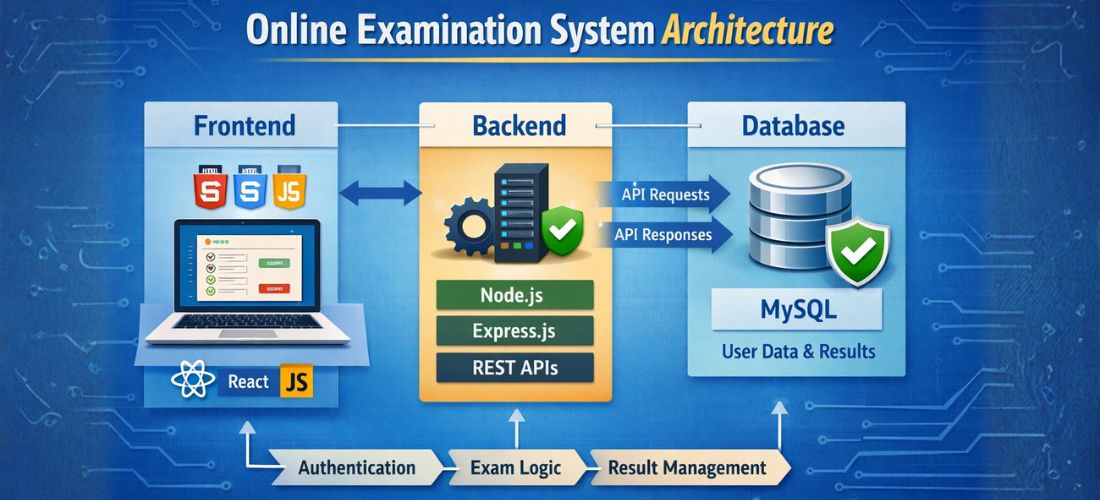
What this includes:
- Frontend Code: The files that dictate how the exam looks to students (HTML, CSS, JavaScript).
- Backend Code: The logic that processes answers, calculates scores, and manages timers (PHP, Python, Node.js, etc.).
- Database Schema: The structure of how data like student names, questions, and results is stored.
The Right to Customization (White Labeling)
One of the biggest advantages of owning the source code is the ability to ">White Label" the product. When you use a subscription-based (SaaS) platform, you are often forced to keep the provider’s logo in the corner, or use their specific color scheme.
When you own the code, that software becomes yours.
- Branding: You can replace all logos with your own.
- UI/UX Changes: If you feel the "Start Exam" button should be blue instead of green, or if you want to rearrange the dashboard to make it simpler for your specific users, you have the right to do so.
- Feature Expansion: If you need a specific feature like a specialized "Calculus Keyboard" or a unique "Bulk Upload" tool you don't have to wait for a software company to add it to their roadmap. You can build it yourself or hire a developer to add it.
For those looking for a solid foundation to start their branding journey, the Online Exam Lite version offers an excellent entry point for essential testing needs.
Data Sovereignty: You Own the Data
In a world where data privacy is a top priority (with regulations like GDPR and CCPA), where your data lives is crucial. When you use a third-party exam service, your students' names, emails, and test results are stored on their servers. If that company goes out of business or changes their privacy policy, your data could be at risk.
When you buy the source code and host it on your own server:
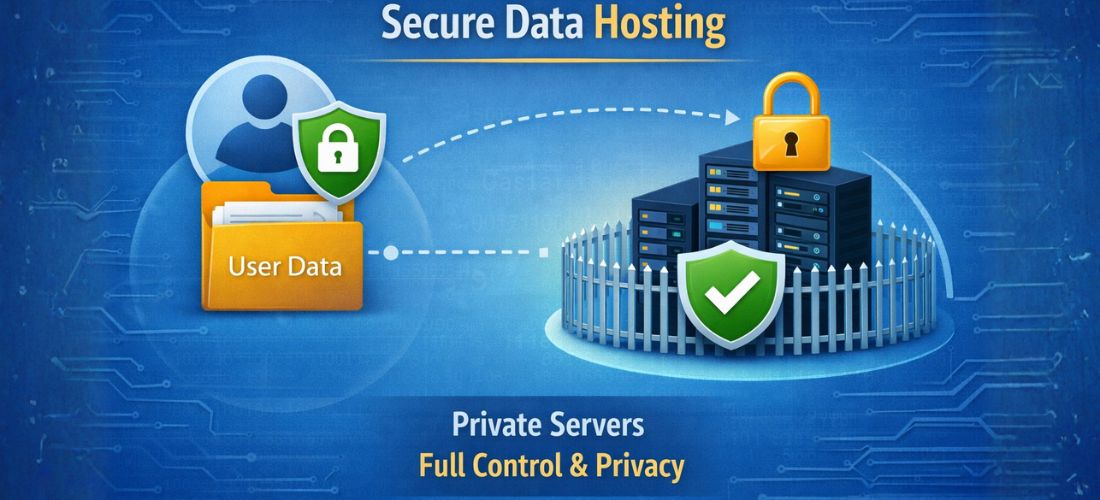
- You choose the location: You can host the data in your own country to meet local legal requirements.
- Security Control: You decide who has access to the database. You can implement your own encryption methods and firewall rules.
- Zero Dependency: You are not tied to a monthly subscription to keep accessing your historical data. Even if you stop developing the software, the data remains on your server under your control.
Perpetual License vs. Intellectual Property (IP)
This is where the legal "fine print" becomes important. It is vital to understand the difference between owning a copy of the code and owning the intellectual property.
Perpetual License
Most source code sales (including those for high-end systems) are sold as a Perpetual License. This means:
- You can use the software forever without paying monthly fees.
- You can modify it for your own use.
- You can install it on your servers.
Intellectual Property (IP)
Buying the source code usually does not mean you own the IP. The original developer still holds the copyright. This means you typically cannot:
- Resell the source code as your own product to other developers.
- Distribute the code for free on the internet.
Think of it like buying a book. You own the physical copy, you can highlight the pages, and you can keep it on your shelf forever. But you don't own the "story," so you can't print 1,000 more copies and sell them at a bookstore.
Deployment Freedom
When you own the source code, you are no longer at the mercy of a single provider's hosting environment. If your exam platform grows from 100 students to 100,000 students, you might find that a basic hosting plan isn't enough. With the source code for a robust system like Online Exam Pro, you can:
- Move the software to a dedicated server.
- Use cloud scaling (like AWS or Google Cloud) to handle massive spikes in traffic during finals week.
- Set up "Load Balancers" to ensure the site never crashes, no matter how many people are logged in simultaneously.
What You Don't Own (The Responsibilities)
Ownership is a double-edged sword. While it provides freedom, it also shifts the responsibility from the developer to you.
Maintenance and Updates
When you use a subscription service, the company handles the bugs. When you own the code, you (or your technical team) are responsible for maintaining it. If a new version of PHP or Chrome comes out and breaks a small part of the interface, you are responsible for applying the fix.
Security Patches
Software security is an ongoing battle. You own the responsibility of keeping your server updated and ensuring that your version of the code is protected against new types of cyberattacks.
Cost Efficiency in the Long Run
The "ownership" of source code is essentially a financial strategy.
- SaaS Model: You pay $100/month. Over 5 years, you have spent $6,000 and you own $0 worth of assets. If you stop paying, your platform disappears.
- Source Code Model: You pay a one-time fee for the code. You pay a small amount for your own hosting. After 5 years, you have spent significantly less, and you still own a fully functional, highly customized asset that you can continue to use indefinitely.
For businesses and schools planning to operate for more than 12-18 months, buying the source code almost always results in a higher Return on Investment (ROI).
Choosing the Right Version for Your Needs
Not all source code packages are created equal. Depending on the scale of your operation, you need to decide how much "engine" you need under the hood.
- For Small Institutions or Startups: If you are just starting or need a streamlined system for internal quizzes, the Online Exam Lite is the perfect starting point. It gives you the core functionality without overwhelming complexity.
- For Large Scale Enterprises or Commercial Testing Centers: If you need advanced features like detailed analytics, complex question types, and the ability to handle thousands of concurrent users, the Online Exam Pro is the professional choice.
Conclusion
Buying exam software source code is about Control. You own the right to change the look, the right to add new features, the right to keep your data private, and the right to run your platform without being billed every single month. While it requires more technical involvement than a simple subscription, the long-term benefits of branding, scalability, and cost-savings are undeniable.
By investing in the source code, you aren't just buying software; you are buying an independent digital infrastructure for your organization’s future. Whether you start with the Lite version or go straight to the Pro suite, you are taking the first step toward true digital ownership. You can explore more on our blog list or contact us for details.
Experience the Future
Visit BuyExamSoftware.com today and transform your coaching center.